
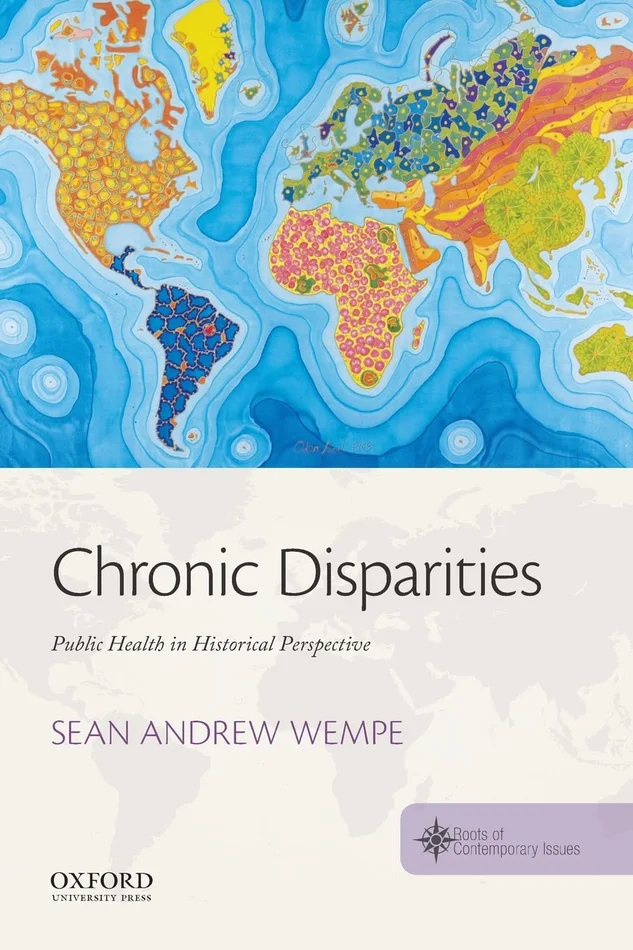
Description
Growing directly out of the experiences of a team of Washington State University historians who designed a new foundational course for WSU’s common requirements, the
is built on the premise that students will be better at facing current and future challenges, no matter their major or career path, if they are capable of addressing controversial and pressing issues in mature, reasoned ways using evidence, critical thinking, and clear written and oral communication skills.
To help students achieve these goals, each title in the
argues that today’s problems are not simply the outcomes of yesterday’s decisions: they are shaped by years, decades, and centuries of historical developments. Solving the central problems facing our world requires a deep historical understanding of the ways in which humans have been interconnected with faraway places for centuries.
:
begins with a controversial and pressing issue facing students today: how have public health initiatives challenged and/or reinforced societal inequalities of race, class, and gender? It explores the cultural, political, religious, demographic, and economic effects both government and private public-health practices have had on inequalities of race, class, and gender in an increasingly globalizing society, from the pre-Modern era to the present.
examines events and processes including the emergence of public health and sanitation in Europe; the coercive globalization of systems of health; colonial medicine and the selective application of “Western” medical policy; eugenics; responses to substance abuse; the AIDS/HIV pandemic; and many more. It includes a series introduction that explains this innovative approach to learning history and a conclusion that offers a model for applying the approach in seeking to understand other public health policies, events, and crises.



Reviews
There are no reviews yet.