
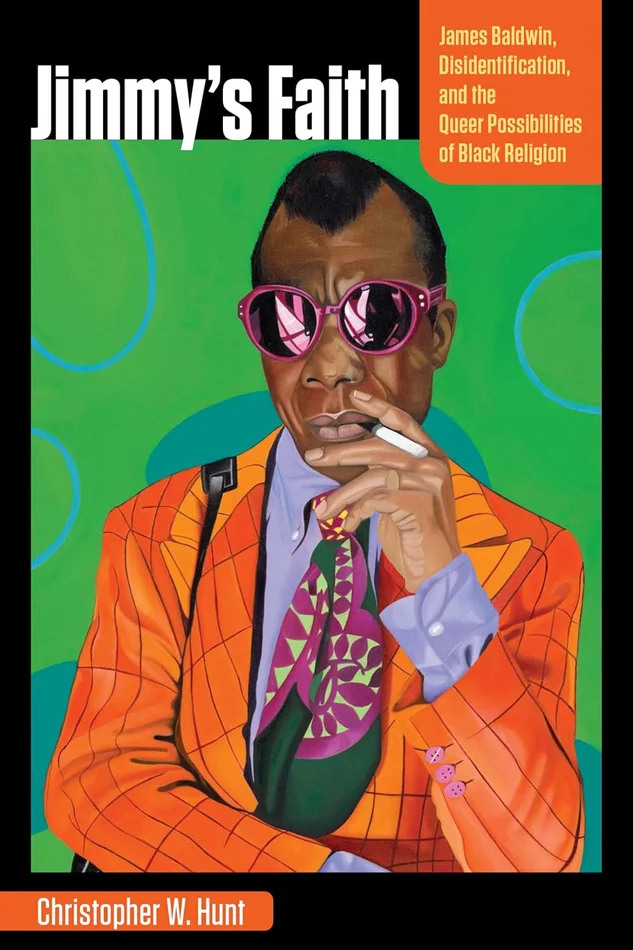
Description
The relationship of James Baldwin*s life and work to Black religion is in many ways complex and confounding. What is he doing through his literary deployment of religious language and symbols?
Despite Baldwin*s disavowal of Christianity in his youth, he continued to engage the symbols and theology of Christianity in works such as
,
, and others. With
, author Christopher W. Hunt shows how Baldwin*s usage of those religious symbols both shifted their meaning and served as a way for him to build his own religious and spiritual vision. Engaging Jos谷 Esteban Mu?oz*s theory of disidentification as a queer practice of imagination and survival, Hunt demonstrates the ways in which James Baldwin disidentifies with and queers Black Christian language and theology throughout his literary corpus.
Baldwin*s vision is one in which queer sexuality signifies the depth of love*s transforming pos-sibilities, the arts serve as the (religious) medium of knitting Black community together, an agnostic and affective mysticism undermines Christian theological discourse, ※androgyny§ troubles the gender binary, and the Black child signifies the hope for a world made new. In disidentifying with Christian symbols,
reveals how Baldwin imagines both religion and the world ※oth-erwise,§ offering a model of how we might do the same for our own communities and ourselves.




Reviews
There are no reviews yet.