
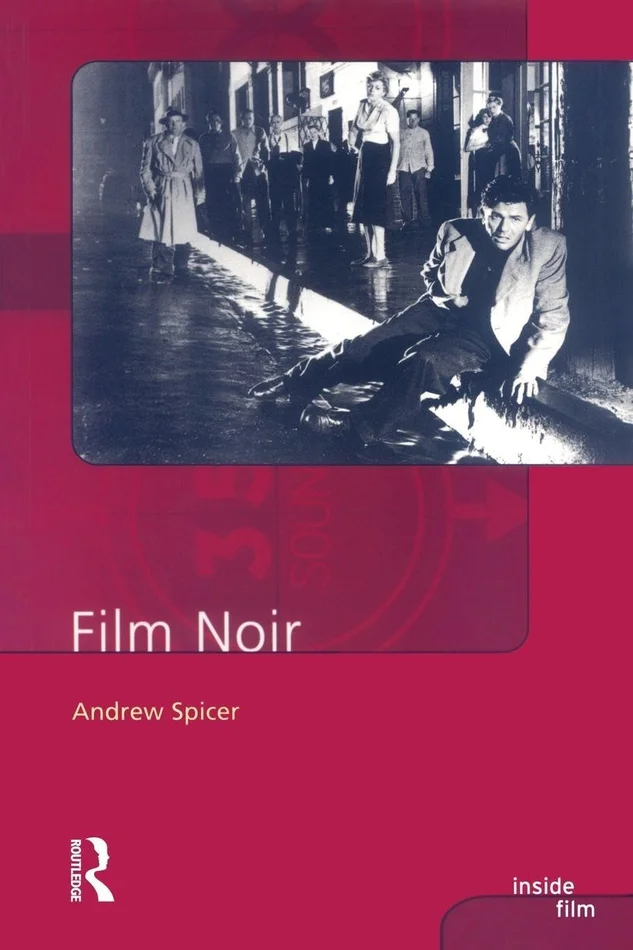
Description
chapters explore its contexts of production and reception, its visual style, and its narrative patterns and themes
chapters on character types and star performances elucidate noir*s complex construction of gender with its weak, ambivalent males and predatory
chapters trace the complex evolution of &neo-noir* in American cinema, from the modernist critiques of
the final chapter surveys the development of British film noir, a significant and virtually unknown cinema, stretching from the thirties to Mike Hodges*
Film Noir is an overview of an often celebrated, but also contested, body of films. It discusses film noir as a cultural phenomenon whose history is more extensive and diverse than American black and white crime thrillers of the forties.
An extended Background Chapter situates film noir within its cultural context, describing its origin in German Expressionism, French Poetic Realism and in developments within American genres, the gangster/crime thriller, horror and the Gothic romance and its possible relationship to changes in American society.
Five chapters are devoted to &classic* film noir (1940-59):
chapters explore its contexts of production and reception, its visual style, and its narrative patterns and themes
chapters on character types and star performances elucidate noir*s complex construction of gender with its weak, ambivalent males and predatory
and also provide a detailed analysis of three noir
, – Anthony Mann, Robert Siodmak and Fritz Lang
Three chapters investigate &neo-noir* and British film noir:
chapters trace the complex evolution of &neo-noir* in American cinema, from the modernist critiques of
and
, to the postmodern hybridity of contemporary noir including
,
and
the final chapter surveys the development of British film noir, a significant and virtually unknown cinema, stretching from the thirties to Mike Hodges*
Films discussed include both little known examples and seminal works such as
,
,
and
. A final section provides a guide to further reading, an extensive bibliography and a list of over 500 films referred to in the text. Lucidly written,
is
an accessible, informative and stimulating introduction that will have a broad appeal to undergraduates, cin谷astes, film teachers and researchers.
Reviews
There are no reviews yet.