
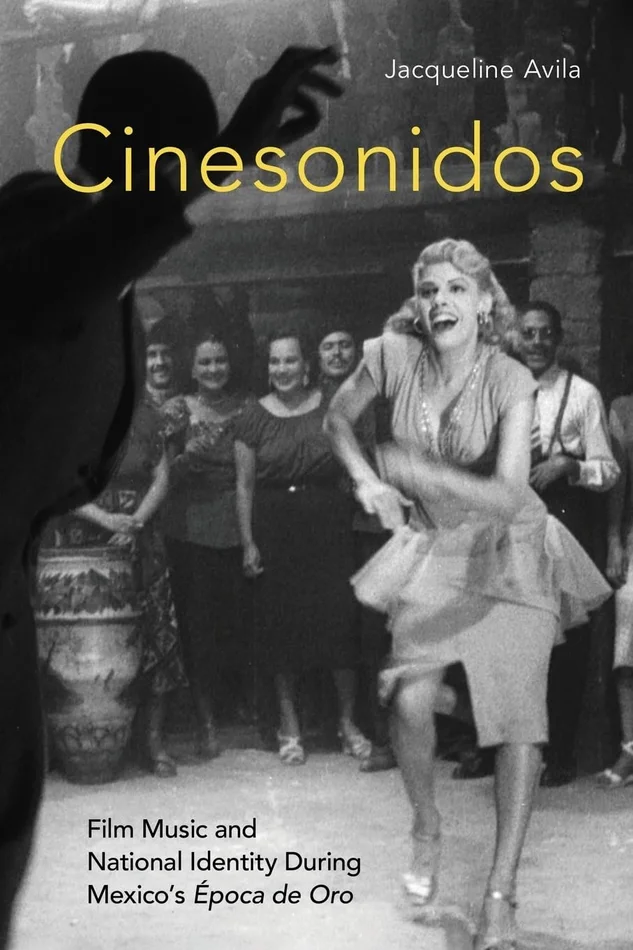
Description
During Mexico’s silent (1896-1930) and early sound (1931-52) periods, cinema saw the development of five significant genres: the prostitute melodrama (including the
subgenre), the
film (on indigenous themes or topics), the
(films of Porfirian nostalgia), the Revolution film, and the
(ranch comedy). In this book, author Jacqueline Avila looks at examples from all genres, exploring the ways that the popular, regional, and orchestral music in these films contributed to the creation of tropes and archetypes now central to Mexican cultural nationalism. Integrating primary source material–including newspaper articles, advertisements, films–with film music studies, sound studies, and Mexican film and cultural history, Avila examines how these tropes and archetypes mirrored changing perceptions of
manufactured by the State and popular and transnational culture. As she shows, several social and political agencies were heavily invested in creating a unified national identity in an attempt to merge the previously fragmented populace as a result of the Revolution. The commercial medium of film became an important tool to acquaint a diverse urban audience with the nuances of Mexican national identity, and music played an essential and persuasive role in the process. In this heterogeneous environment, cinema and its music continuously reshaped the contested, fluctuating space of Mexican identity, functioning both as a sign and symptom of social and political change.

Reviews
There are no reviews yet.