
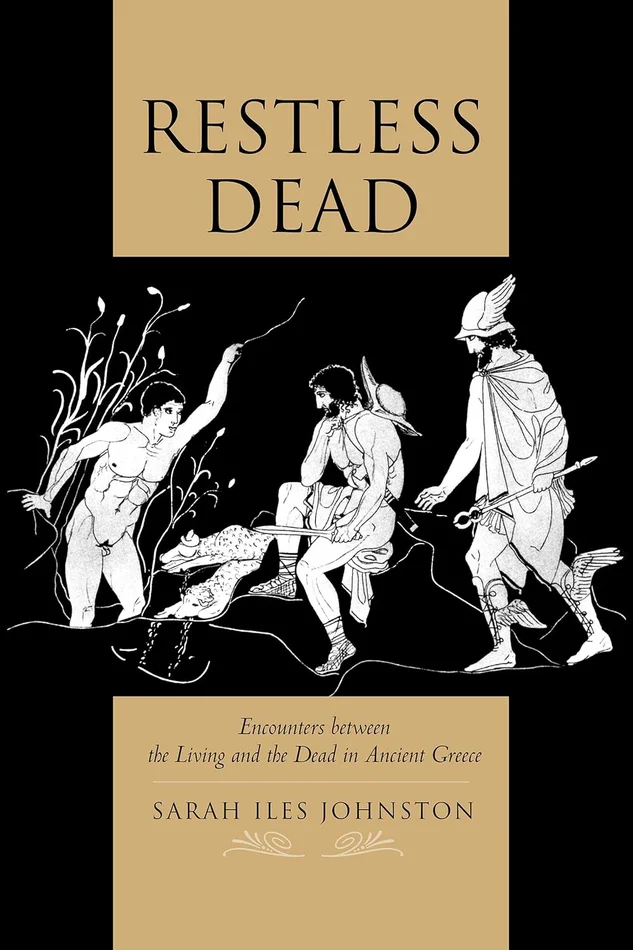
Description
During the archaic and classical periods, Greek ideas about the dead evolved in response to changing social and cultural conditions求most notably changes associated with the development of the polis, such as funerary legislation, and changes due to increased contacts with cultures of the ancient Near East. In
, Sarah Iles Johnston presents and interprets these changes, using them to build a complex picture of the way in which the society of the dead reflected that of the living, expressing and defusing its tensions, reiterating its values and eventually becoming a source of significant power for those who knew how to control it. She draws on both well-known sources, such as Athenian tragedies, and newer texts, such as the Derveni Papyrus and a recently published
from Selinous.
Topics of focus include the origin of the
(the ritual practitioner who made interaction with the dead his specialty), the threat to the living presented by the ghosts of those who died dishonorably or prematurely, the development of Hecate into a mistress of ghosts and its connection to female rites of transition, and the complex nature of the Erinyes.
culminates with a new reading of Aeschylus’
that emphasizes how Athenian myth and cult manipulated ideas about the dead to serve political and social ends.
Reviews
There are no reviews yet.