
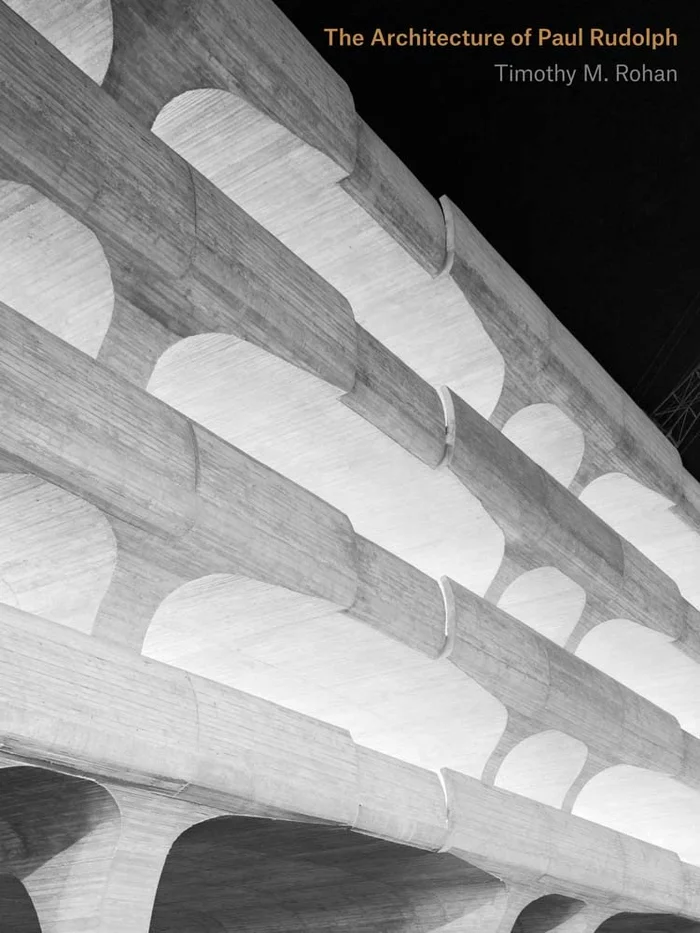
Description
Equally admired and maligned for his remarkable Brutalist buildings, Paul Rudolph (1918每1997) shaped both late modernist architecture and a generation of architects while chairing Yale*s department of architecture from 1958 to 1965. Based on extensive archival research and unpublished materials,
is the first in-depth study of the architect, neglected since his postwar zenith.
Author Timothy M. Rohan unearths the ideas that informed Rudolph*s architecture, from his Florida beach houses of the 1940s to his concrete buildings of the 1960s to his lesser-known East Asian skyscrapers of the 1990s. Situating Rudolph within the architectural discourse of his day, Rohan shows how Rudolph countered the perceived monotony of mid-century modernism with a dramatically expressive architecture for postwar America, exemplified by his Yale Art and Architecture Building of 1963, famously clad in corrugated concrete. The fascinating story of Rudolph*s spectacular rise and fall considerably deepens longstanding conceptions about postwar architecture: Rudolph emerges as a pivotal figure who anticipated new directions for architecture, ranging from postmodernism to sustainability.


Reviews
There are no reviews yet.